
A useful fishing log records where and when you fished, what you used, the conditions you noticed and what happened. Keep the first version short enough to finish before leaving the water. A few consistent details from several trips are more useful than one elaborate entry you never repeat.
The purpose is to improve your own planning, not to prove that a particular lure always works. A catch is the result of many conditions, and an unsuccessful session can still contain useful information.
Pick five fields and stay consistent
Start with date and time, location, conditions, tackle and result. A paper notebook, notes app or simple spreadsheet can all work. Use whichever you will actually open.
For location, decide how precise the record needs to be for your own use. Keep private spots private rather than automatically posting the full entry publicly. For conditions, write observations you can reasonably describe, such as wind, visible cloud cover or whether the water looked clearer than on your previous visit.
Separate measured information from impressions. “Water temperature measured at the bank” and “water felt cold” are not equivalent records. You do not need to buy a collection of instruments to begin; simply be clear about what you observed.
Identify the tackle without writing an essay
Record enough detail to recognize the setup later. That might include the lure type, color, approximate size and the way you used it. If you change the setup during the session, note when the change happened.
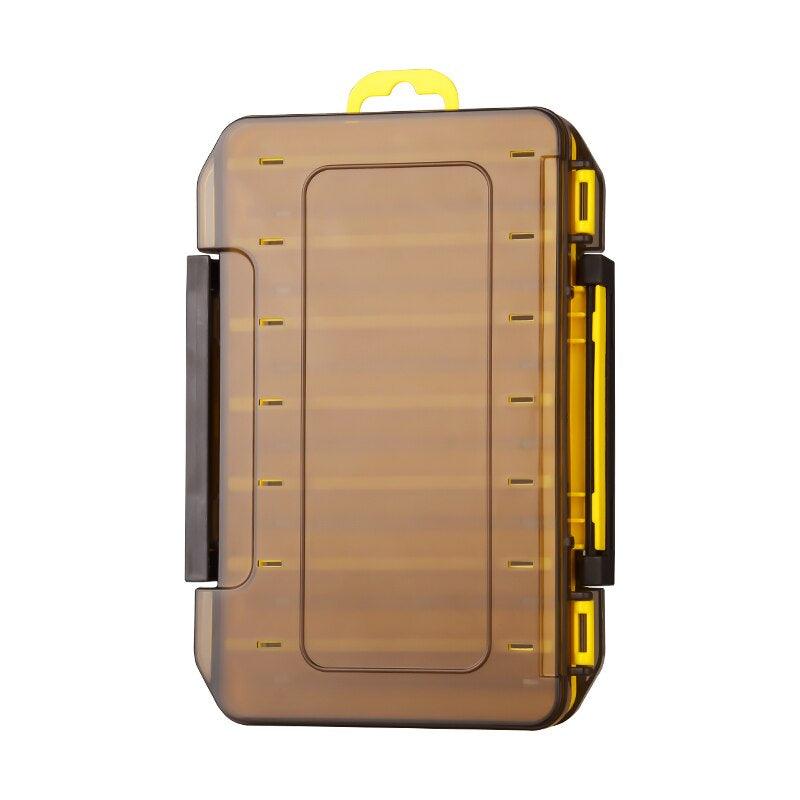
Give the compartments in your tackle box simple labels or take a photograph before the trip. A 14-Compartment Fishing Tackle Box or Slim Fly Fishing Box can be part of your organization, depending on the actual items you carry. Neither box is evidence that the tackle inside will catch more fish.
Use the same names in your log as you use in the box. “Small blue lure from the front compartment” may be more helpful to you than a vague note saying “the usual one.”
Record effort as well as catches
An entry stating “two fish” leaves out the difference between a short stop and a full day. Include roughly how long you fished and whether you spent much of the time moving, adjusting equipment or waiting for conditions to change.
A simple entry might read: “Saturday, 7–9 a.m.; east bank; light wind; tried setup A first, changed to B at 8; no catches; easier access than last visit.” That is still useful information for planning another session.
Follow the applicable fishing regulations for the location, including licensing, seasons, permitted methods and catch handling. Your personal log does not replace current rules or justify fishing in a restricted area.
Look for questions, not instant conclusions
After several trips, review the entries together. Were your successful sessions concentrated in one location? Did you spend more time fishing on the days when you prepared tackle beforehand? Which setups did you actually use, and which stayed in the box?
Be cautious about attributing every difference to one lure. If time, location and weather all changed, the entries do not isolate a single cause. Use them to decide what to observe next rather than treating a small sample as a guarantee.
End with one next-trip note
Before closing the log, write one useful action: replace a damaged item, simplify the box, arrive earlier or revisit an accessible spot. Keep it specific enough that you can act on it while packing.
Then stop writing. A fishing log earns its place by helping you remember what happened and prepare for the next outing. Start small, keep the labels consistent and let your own observations shape the questions you bring back to the water.
Related guide: Summer Tackle-Box Organization, Hook Safety and Clean-Drain-Dry Checklist.